



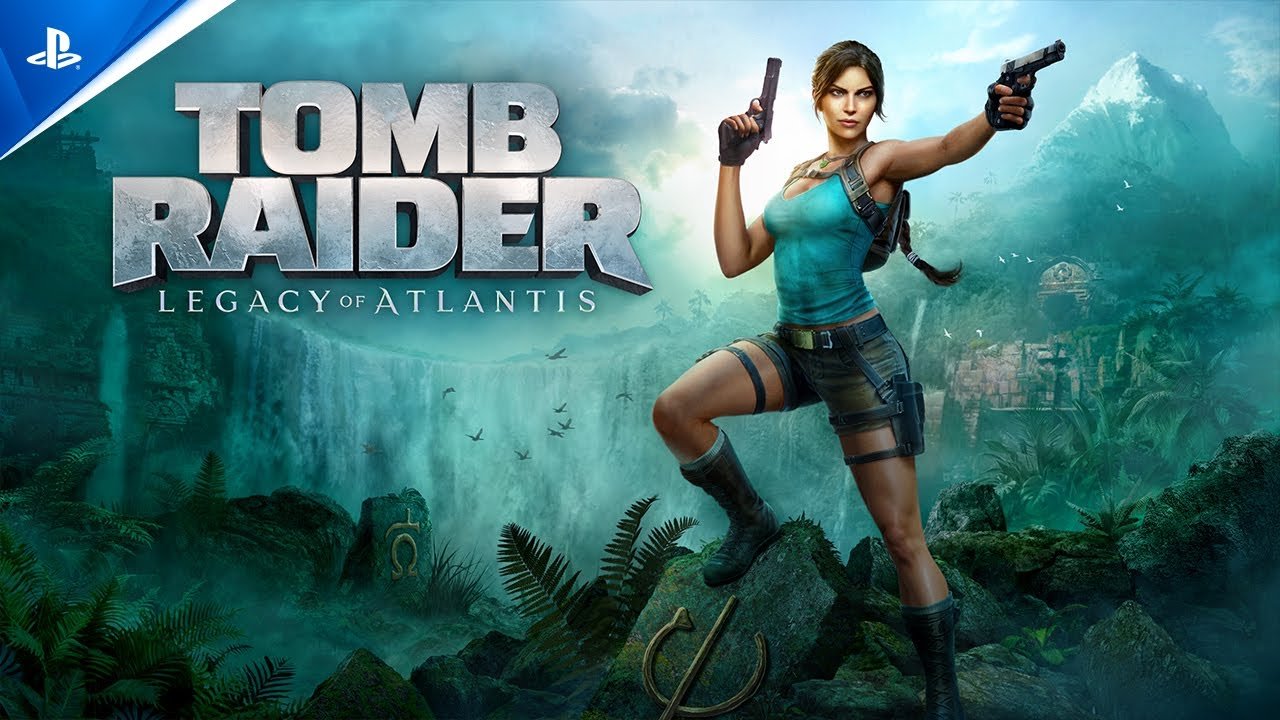
A new video has surfaced for Tomb Raider: Legacy of Atlantis, and this eye-catching, big-budget reimagining of Lara Croft’s 1996 debut really does look amazing. Powered by Unreal Engine 5, it transforms the angular, lonely world of the original Tomb Raider into something glossy, cinematic, and unmistakably modern.
But while it looks impressive, I can’t shake the feeling that this is a “Star Wars Special Edition” moment.
A modern remake of a genre-defining game
According to the video’s description, Legacy of Atlantis retells Lara Croft’s first adventure, sending players across Peru, Greece, Egypt, and a mysterious Mediterranean island in search of the Scion. The pitch is clear: modern visuals, updated design sensibilities, and “new surprises”, all while claiming to honour the spirit of the original.
And visually? It’s amazing: lush jungles, dramatic lighting, and a far more physically expressive Lara (albeit with a slightly different, less unique face) immediately signal that this is aimed squarely at a contemporary audience. For newcomers, it will likely be the most accessible way to experience the story that launched one of gaming’s biggest icons.
The risk remakes always bring
Here’s the issue: when remakes become the definitive version, originals have a habit of quietly slipping out of focus. For me, this is a familiar concern — one that tends to surface whenever a classic is rebuilt “from the ground up.” And yes, I had the same feelings about R-Type Dimensions III, but at least the original graphics are retained in that rebuild.
The 1996 Tomb Raider wasn’t just notable for its setting or its puzzles — it was defined by isolation, silence, and restraint. Long stretches without music, at times complex movement, and the sense that Lara was trespassing in places she didn’t belong all contributed to a very specific atmosphere. I’ve played the rebooted game series, and I’ve been impressed by what has been retained from the original games, in terms of atmosphere and movement.
But remakes rarely fail because of effort or budget. They fail because they reinterpret what mattered.
We’ve seen this pattern before. The Star Wars Special Editions didn’t erase the originals outright, but they reshaped public perception of them — to the point where the unaltered films became harder to find and easier to forget (it’s taken 30 years to get the original print back into cinemas!). In games, where preservation is already fragile, the danger feels even more pronounced.
New players, old legacy
For veteran players, Legacy of Atlantis may feel like an alternate take — interesting, impressive, but not definitive. For new players, however, it risks becoming the Tomb Raider, flattening the context of why the original mattered so much in 1996.
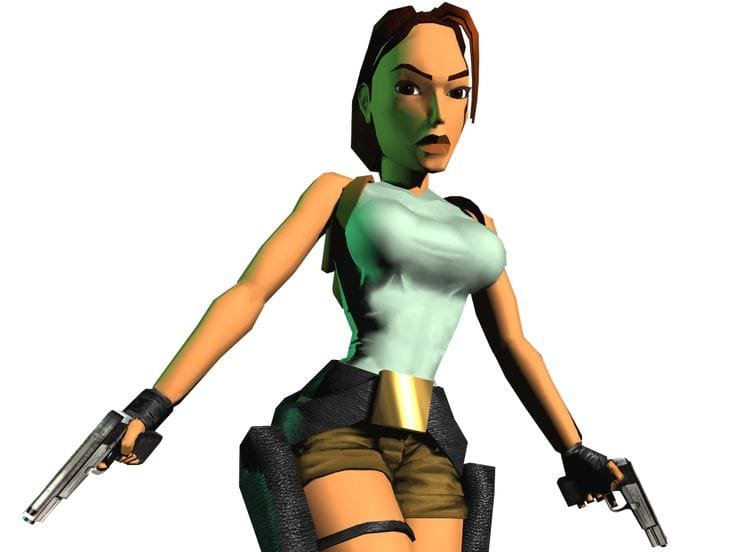
That’s not the fault of the developers, nor is it a rejection of modern reinterpretation. But it does reinforce the need for publishers to ensure that the original Tomb Raider remains visible, accessible, and respected alongside any remake.
In our favour, we have some Tomb Raider preservation projects and remasters on current gen systems. But the problem isn’t today — it’s 10, 20 years down the line.
Because once a remake becomes the default reference point, history has a way of being quietly rewritten.
Respecting the past means preserving it
Legacy of Atlantis may well turn out to be a strong game in its own right. But no amount of Unreal Engine lighting can replace the impact of stepping into those blocky tombs for the first time, hearing nothing but Lara’s footsteps echoing into the dark.
Remakes should complement the originals — not compete with them.
And if this new version succeeds, let’s hope it brings renewed attention to the game that started it all, rather than pushing it further into the shadows of gaming history.
Affiliate Disclosure: Some of the links in this post may be affiliate links, which means I may earn a small commission if you make a purchase through those links. This comes at no extra cost to you. Thank you for your support!

Christian Cawley is the founder and editor of GamingRetro.co.uk, a website dedicated to classic and retro gaming. With over 20 years of experience writing for technology and gaming publications, he brings considerable expertise and a lifelong passion for interactive entertainment, particularly games from the 8-bit and 16-bit eras.
Christian has written for leading outlets including TechRadar, Computer Weekly, Linux Format, and MakeUseOf, where he also served as Deputy Editor.
When he’s not exploring vintage consoles or retro PCs, Christian enjoys building with LEGO, playing cigar box guitar, and experimenting in the kitchen.