




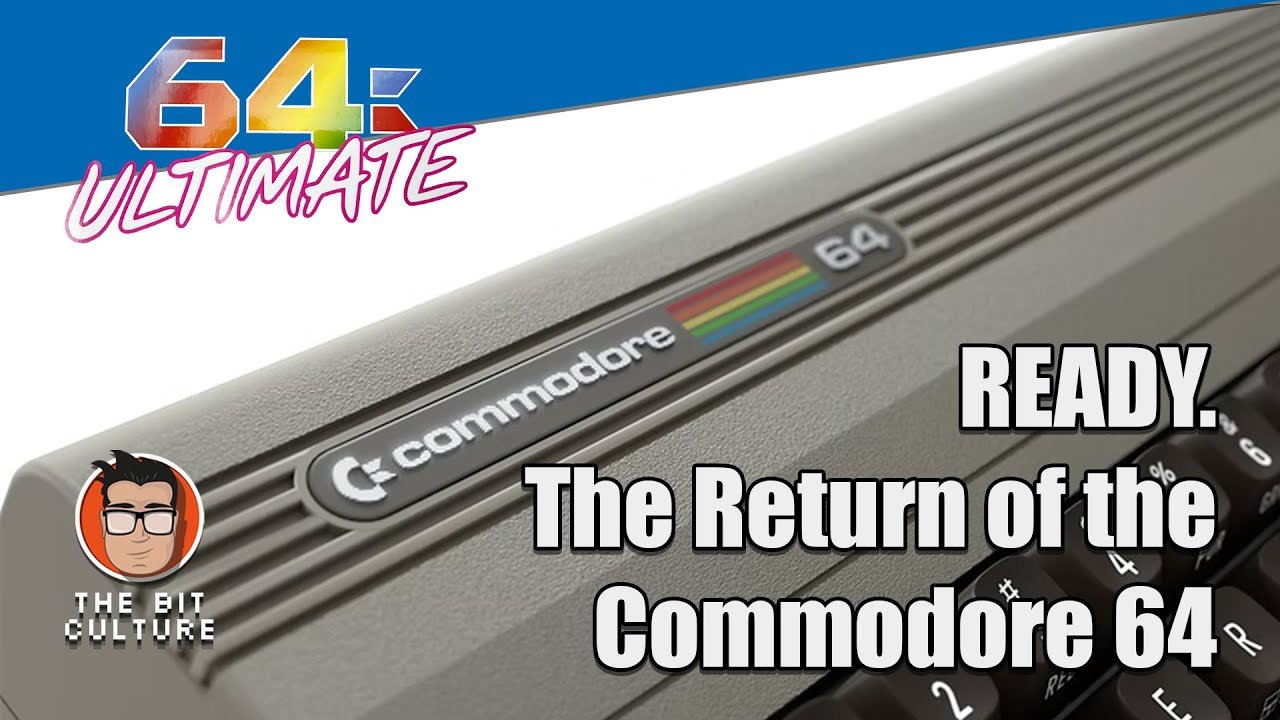
The Commodore 64 Ultimate is one of those machines that instantly splits opinion — and honestly, that’s probably inevitable. Based on a detailed comparison in a recent YouTube video by The Bit Culture, it positions itself not as a nostalgia toy or a quirky console remake, but as a serious modern reinterpretation of the original Commodore 64 using FPGA hardware, in an attempt to recreate the behaviour of the 64 itself, not just its look and sound.
Physically, the Ultimate gets a lot right. The case design feels familiar without being a straight clone, and the orange function keys — a nod to early C64 models — give it personality without feeling gimmicky. The keyboard itself feels more modern than an original C64 while still being pleasant to type on. Purists might miss the old mechanical Shift Lock, but its PC-style behaviour makes practical sense — and most of the other key changes are improvements rather than compromises.
Ports and configuration
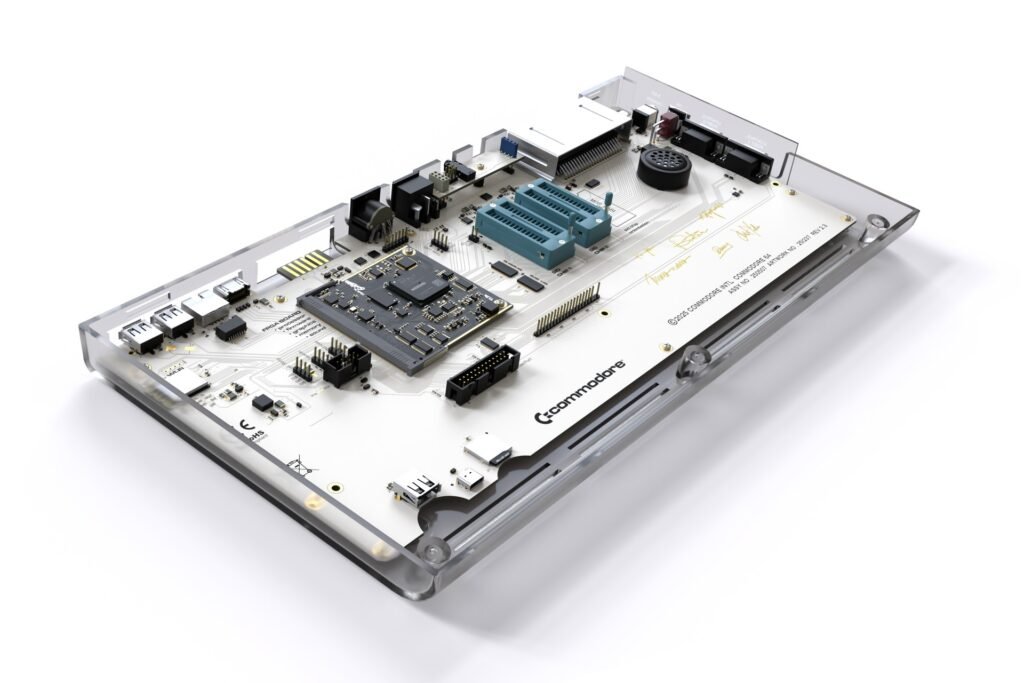
We can see in the video that the Ultimate mirrors the original port layout closely, but swaps out the old user port for HDMI, Ethernet and USB. That tells you everything you need to know about the audience here: this isn’t just retro hardware, it’s a modern one.
Powering it on reveals the clearest distinction. A deep configuration menu lets you tweak virtually every aspect of the C64 experience — memory behaviour, CPU speed, network settings, storage browsing and more. It’s powerful, but not always intuitive; tweaks don’t always apply immediately, and some options can feel confusing until you’ve used them a few times, a noticeable trade-off compared to the instant-on simplicity of the original.
Connectivity is a strong point. Built-in Ethernet and Wi-Fi allow for network services, FTP transfers, Telnet access and even low-latency streaming into tools like OBS, which transforms the Ultimate from a mere retro machine into a platform that can participate in 21st-century workflows.
What about your datasette?
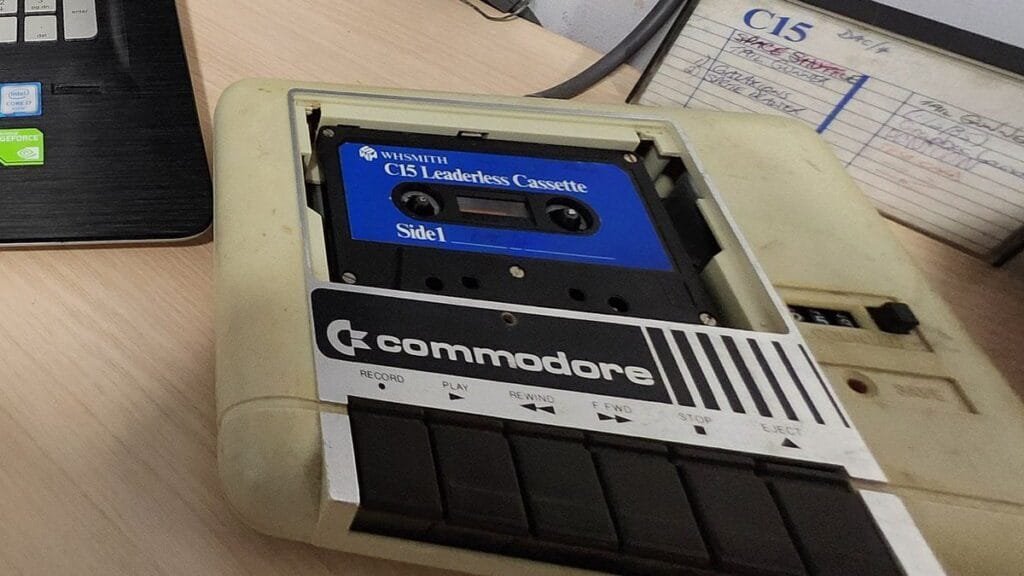
Original peripherals continue to work well; Atari-style DB9 joysticks and most classic gamepads connect without issue, and old datasettes and disk drives behave exactly as you’d hope. Loading from tape — complete with its familiar colourful stripes — is intact, and it feels like Commodore. That said, USB ports are currently limited to storage devices, and modern controller support is absent. Some cartridges — notably Final Cartridge III and first-gen Kung Fu Flash units — aren’t always reliable, though that may come down to configuration rather than design.
On the software side, the Ultimate performs impressively. The FPGA-based VIC-II implementation produces colours and visuals that are extremely close to the original machine — noticeably more faithful than alternatives like MiSTer, which often look a bit too bright. SID emulation is very good for most music, especially 8580-targeted titles; 6581 tracks are close enough that most people won’t complain, even if it’s not perfect.
However, be sure to watch the full video to get a good idea of the visual and audio differences between the C64 and the Ultimate.
So where does that leave us?
If your only goal is playing Commodore 64 games, this probably isn’t where you want to spend your money. Emulation — whether free software on PC or dedicated solutions like the C64 Mini — will give you instant access to the library at a tiny fraction of the cost.
If you’re a true C64 enthusiast — someone with original peripherals, a love of hardware fidelity, and a desire for an experience that actually behaves like a real Commodore — the Ultimate is much more compelling. It’s expensive, niche, and delivers something that emulation frankly can’t: a feeling that the machine beneath your fingertips is genuinely Commodore, not just an approximation.
You can order the Commodore 64 Ultimate now direct from Commodore.
And if what you’re really interested in is a Commodore equivalent of the Spectrum Next — a modern machine developed with community passion, FPGA hardware, and real legacy support — this is as close as we’ve seen yet. It isn’t perfect, and it isn’t cheap, but for the right audience, it’s the ultimate way back to the 64.
Affiliate Disclosure: Some of the links in this post may be affiliate links, which means I may earn a small commission if you make a purchase through those links. This comes at no extra cost to you. Thank you for your support!

Christian Cawley is the founder and editor of GamingRetro.co.uk, a website dedicated to classic and retro gaming. With over 20 years of experience writing for technology and gaming publications, he brings considerable expertise and a lifelong passion for interactive entertainment, particularly games from the 8-bit and 16-bit eras.
Christian has written for leading outlets including TechRadar, Computer Weekly, Linux Format, and MakeUseOf, where he also served as Deputy Editor.
When he’s not exploring vintage consoles or retro PCs, Christian enjoys building with LEGO, playing cigar box guitar, and experimenting in the kitchen.