


The retro hardware scene isn’t short on handheld emulators, clone systems, or FPGA recreations — but the GameTank, now gearing up for launch on Crowd Supply, is something genuinely different.
UPDATE 15/1/26: The GameTank crowdfunder is now live on CrowdSupply.
It’s a clean-sheet 8-bit games console, built around real 6502-family CPUs and designed for new games, not nostalgia-driven ROM libraries. And honestly? I’m quite interested in this one.
A new 8-bit console built for original games
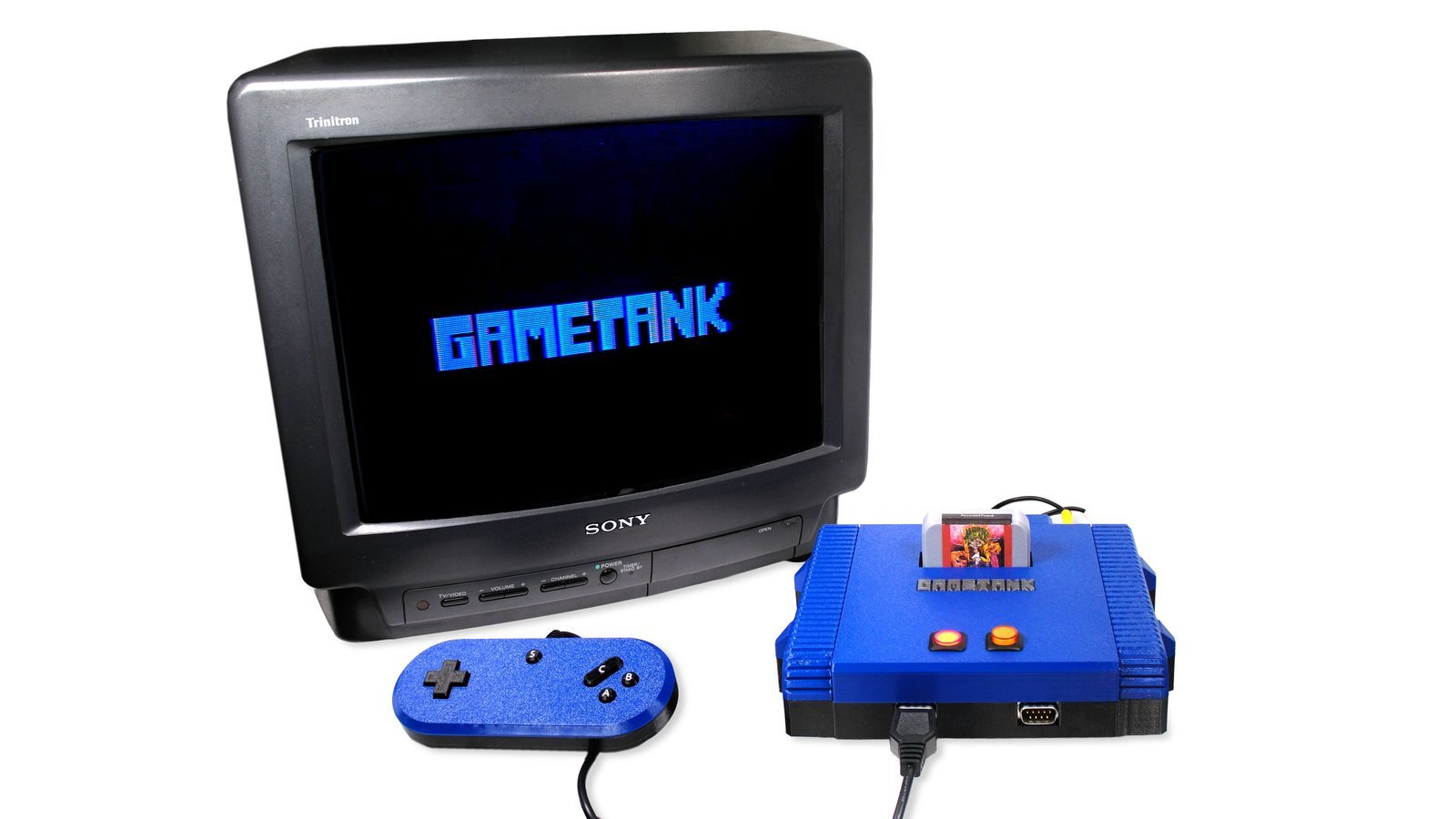
Instead of emulation or modern microcontrollers, the GameTank uses two WDC W65C02S processors: one running the main system logic, and a second, faster chip dedicated to audio. Paired with a custom framebuffer-based graphics system, the console delivers an intentionally old-school development environment that feels like a lost branch of 1980s hardware evolution.
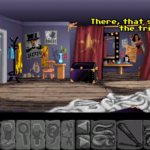
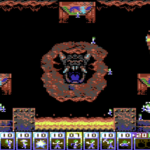
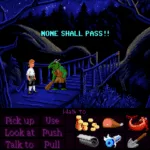
The display runs at 128×128 pixels, with chunky, characterful visuals and support for large animated sprites thanks to a surprisingly generous chunk of video RAM.
GameTank’s full specs are listed as:
- CPU: WDC’s W65C02S clocked at 3.5 MHz
- Video: 128×128 framebuffer, some rows on top and bottom hidden by most TVs
- Graphics acceleration: Hardware-accelerated byte copy, also known as a “blitter”, can transfer images to the framebuffer on every clock cycle at 3.5 MHz
- Graphics RAM: 512 KB used as source data for blitter
- General-purpose RAM: 32 KB banked in 8 KB sections
- Audio: W65C02S at 14 MHz with 4 KB RAM, default 14 kHz sample rate
- Controller: D-Pad + “A” “B” “C” and “Start” buttons, 2x ports
- Cartridge: Custom 36-pin 0.1-inch pitch format, standard board contains 2 MB of flash memory
- Expansion port: 26-pin rear expansion port exposing 12 bits of GPIO and other system signals
This isn’t a NES clone, an FPGA approximation, or a repackaged emulator — it’s its own completely original 8-bit platform.
Simple output, wired controllers, and deliberate limitations
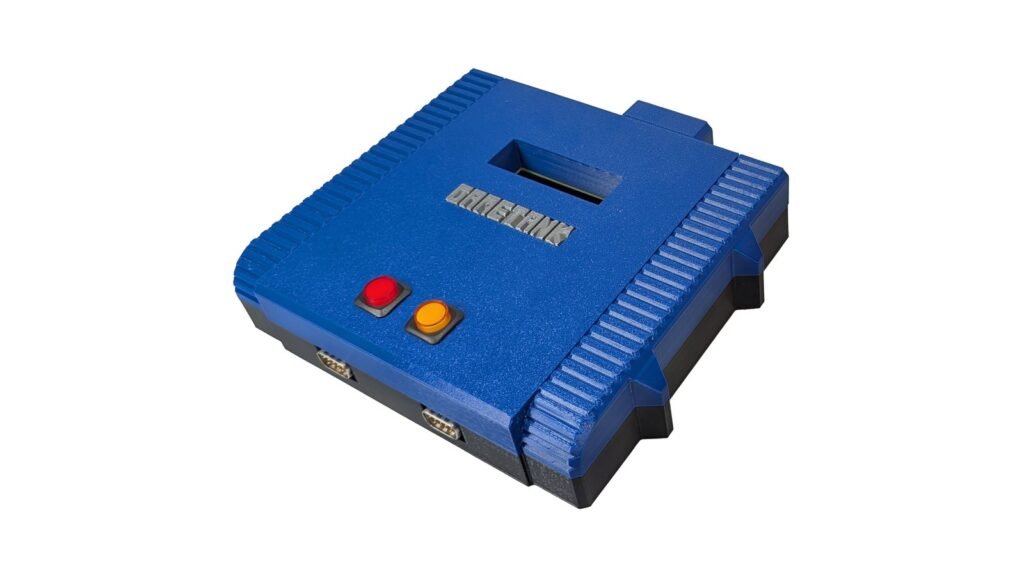
The GameTank outputs composite video, leaning fully into retro authenticity rather than adopting HDMI. Wired controllers further cement its place as a purposefully vintage-feeling system. On paper these limitations may look stark compared to modern retro handhelds — but that’s the point.
This console is built around constraints that encourage creativity, and its entire ecosystem assumes that developers will build new games specifically for it.
An open, developer-friendly platform
Everything about the GameTank is open:
- hardware schematics
- firmware
- emulator
- development tools
Developers can write games in C or 6502 assembly, with a workflow intentionally designed to feel close to classic console development. Because the hardware is fully documented and entirely original, the GameTank invites ports, indie experiments, homebrew projects, and full-blown commercial releases — all built natively for the system.
For retro coders and pixel-artists, it’s an enticing creative sandbox.
Why this stands out in the retro hardware crowd
The GameTank doesn’t try to be a do-everything retro machine. It’s not a replacement for a Miyoo Mini, an Anbernic handheld, or a Super Pocket. It’s something much rarer:
a modern retro console that wants developers to treat it like real 8-bit hardware, because that’s exactly what it is.
In an era where “retro hardware” often just means Linux-based emulation boxes, the idea of a brand-new system with a dedicated library is refreshing — even exciting.
And to be honest, I really want to see it reach funding. The idea of a modern 8-bit console platform that demands dedicated games and ports is both interesting and enticing, and it feels like the kind of project the retro scene doesn’t get often enough.
A promising passion project worth watching
The GameTank campaign isn’t live yet, but with its open-hardware foundation, straightforward design, and genuine dedication to new 8-bit creativity, it’s one of the most novel retro projects heading toward release.
If it reaches production, it could become a fascinating platform for developers and a unique collectible for retro enthusiasts. Follow its progress and sign up for details at crowdsupply.com/clydeware/gametank
Affiliate Disclosure: Some of the links in this post may be affiliate links, which means I may earn a small commission if you make a purchase through those links. This comes at no extra cost to you. Thank you for your support!

Christian Cawley is the founder and editor of GamingRetro.co.uk, a website dedicated to classic and retro gaming. With over 20 years of experience writing for technology and gaming publications, he brings considerable expertise and a lifelong passion for interactive entertainment, particularly games from the 8-bit and 16-bit eras.
Christian has written for leading outlets including TechRadar, Computer Weekly, Linux Format, and MakeUseOf, where he also served as Deputy Editor.
When he’s not exploring vintage consoles or retro PCs, Christian enjoys building with LEGO, playing cigar box guitar, and experimenting in the kitchen.