


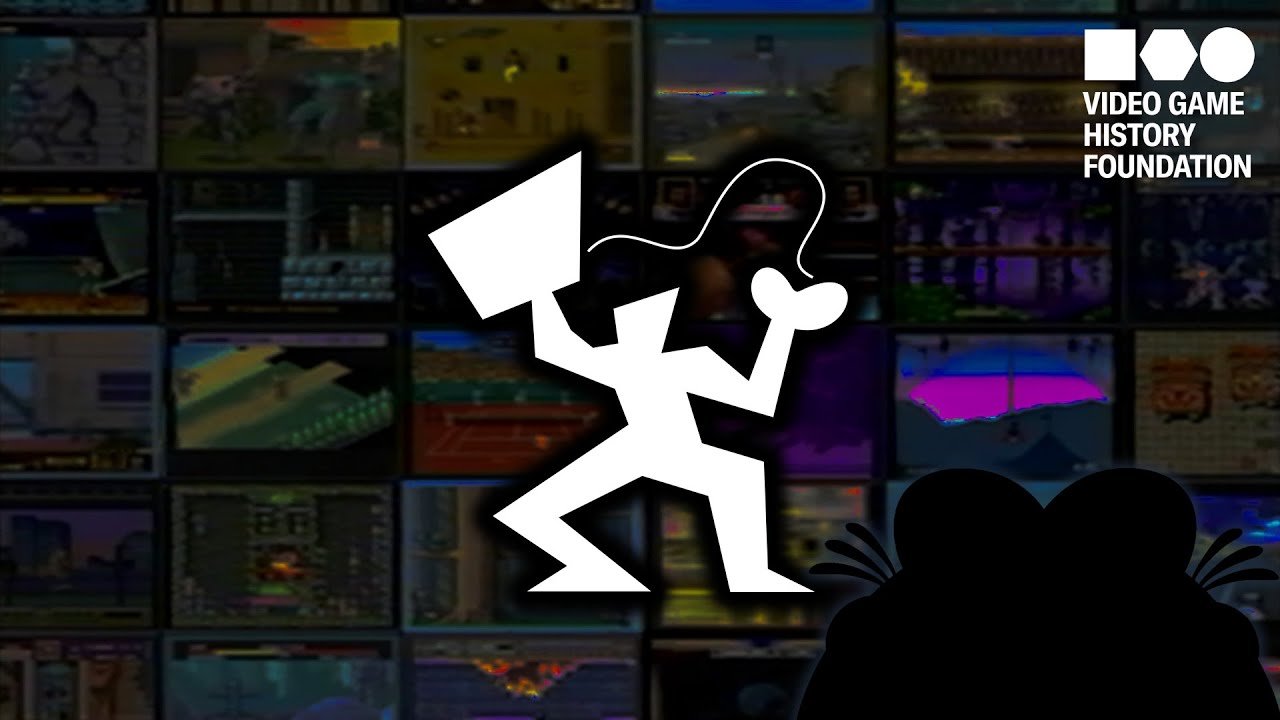
Retro preservation fans, this is awesome: the Video Game History Foundation (VGHF) has lifted the lid on one of the biggest recoveries in Sega history.
A new project has unearthed and preserved over 100 previously lost Sega Channel ROMs, including exclusive games, variants, prototypes, and rare system data that many thought vanished forever.
For anyone who ever wondered what Sega Channel really offered — or dreamed of playing something that was once broadcast over cable in the 90s — this is a big deal. The foundation’s efforts are documented in a deep-dive video, “The Secrets of Sega Channel”, available now on YouTube (linked on the official project page).
What is the Sega Channel?
Launched in the mid-1990s, Sega Channel was one of the earliest attempts to digitally distribute games to consoles, long before broadband or modern digital stores existed. Owners of Sega Genesis systems could hook up a special adapter to their cable line and download games, demos, tips, and exclusive content straight to their console — a breakthrough idea at the time.
It was exclusive to North America — there was no equivalent in the UK or Europe — and Japan and parts of Asia.
Despite its innovation, the service was shut down in 1998, and much of its content disappeared because it was never released on cartridges or archived properly. For decades, only fragments — a handful of ROMs here and there, or magazine mentions — hinted at the full breadth of what it once offered.
That changed with VGHF’s preservation project, which combined former Sega Channel VP Michael Shorrock’s personal archive, community contributions, and long-lost tape backups to recover a massive cache of data.
144 Sega Channel ROMs recovered, including lost exclusives
The headline is stunning: 144 distinct pieces of Sega Channel data have now been preserved and donated to Gaming Alexandria for public access. This includes:
- Nearly 100 unique system ROMs from every major version of the Sega Channel service distributed between 1994–1997.
- Exclusive titles and previously undumped variants, such as Garfield: Caught in the Act – The Lost Levels and The Flintstones, games once thought lost forever.
- Game variants and adaptations that were tailored for the Channel’s delivery limits — like split-in-half versions of Sonic 3D Blast or pared-down editions of Super Street Fighter II.
- Unused prototypes and experimental software, including a Sega Genesis web browser designed for cable content distribution.
In addition to the ROMs themselves, the foundation has digitised internal documents, correspondence, and planning materials that shed light on how Sega Channel worked, how it was marketed, and even what its planned successor (“Express Games”) might have looked like.
The project is arranged as a fully contextualised historical archive that restores an entire lost chapter of 16-bit gaming history.
Sega Channel was ahead of its time — a subscription-style, cable-based digital game library almost thirty years before today’s live-service platforms. Now, thanks to meticulous preservation work and community support, we get a much clearer picture of what it was and what it could have become.
Whether you’re a Sega die-hard, a history buff, or just someone fascinated by how today’s digital gaming ecosystems evolved, this is well worth a look — and a download. Put some time aside and head to gamehistory.org/segachannel.
Affiliate Disclosure: Some of the links in this post may be affiliate links, which means I may earn a small commission if you make a purchase through those links. This comes at no extra cost to you. Thank you for your support!

Christian Cawley is the founder and editor of GamingRetro.co.uk, a website dedicated to classic and retro gaming. With over 20 years of experience writing for technology and gaming publications, he brings considerable expertise and a lifelong passion for interactive entertainment, particularly games from the 8-bit and 16-bit eras.
Christian has written for leading outlets including TechRadar, Computer Weekly, Linux Format, and MakeUseOf, where he also served as Deputy Editor.
When he’s not exploring vintage consoles or retro PCs, Christian enjoys building with LEGO, playing cigar box guitar, and experimenting in the kitchen.