


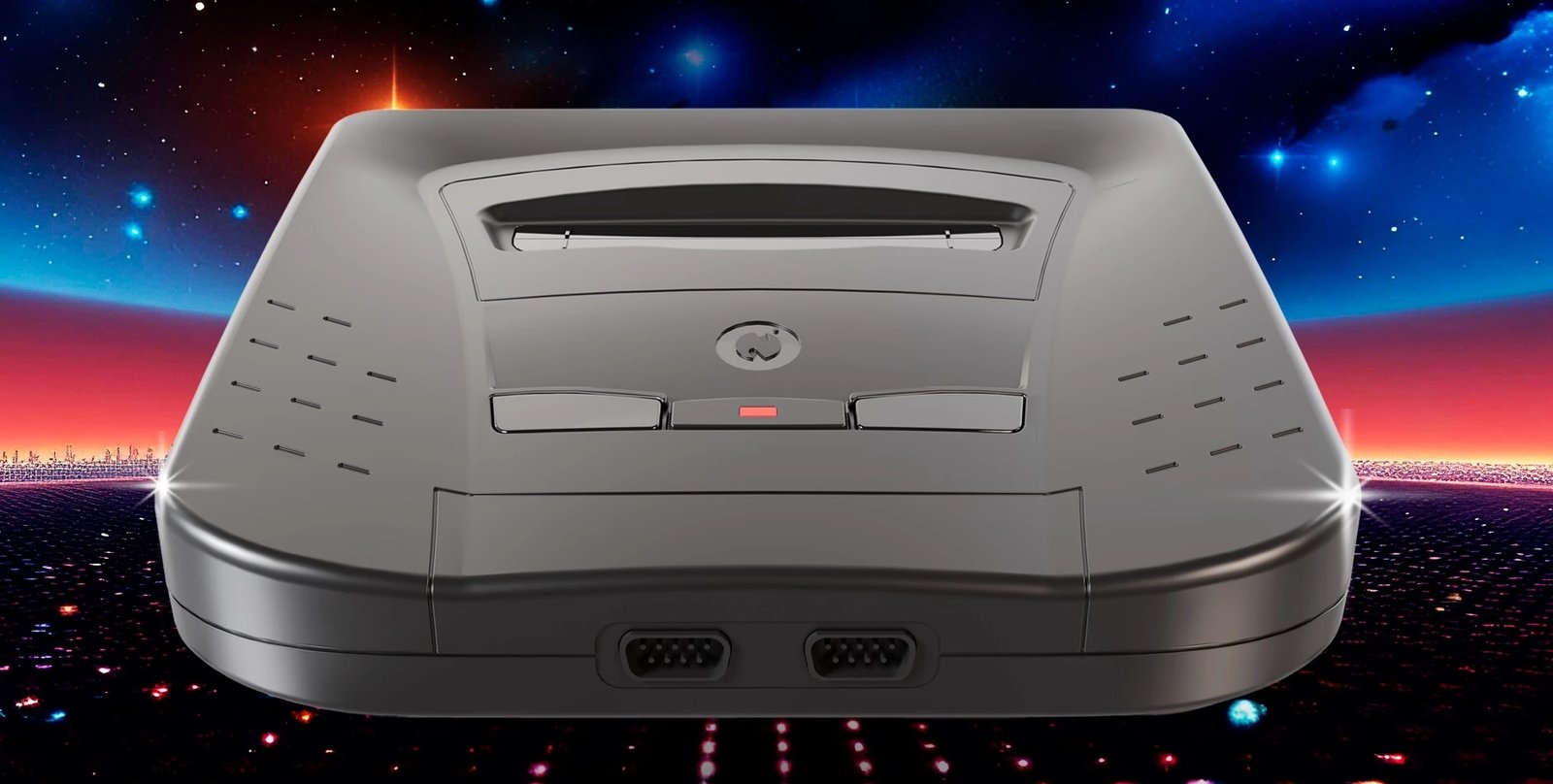
The GF1 Neptune isn’t coming in 2025, but we may just see the FPGA take on the abandoned SEGA Neptune in 2026.
The makers of the GF1 Neptune — an FPGA-based SEGA Neptune reimagining that aims to deliver cycle-accurate Mega Drive and 32X hardware without emulation compromises — have shared a new development update, and it’s mostly good news… but a small dose of patience is required.
Gamescare, the team behind the project, reiterated their refreshing stance: no pre-orders, no crowdfunding, no early cash grabs.
Importantly, the Neptune will only go on sale once it’s finished, polished, and in reviewers’ hands — a policy that’s becoming increasingly rare in the retro hardware world.
A stronger, smarter Neptune
In the latest update, Gamescare confirmed that they’re continuing to refine the Neptune’s cores and system software with help from community contributors. That’s particularly important for a system aiming to support both Mega Drive/Genesis and 32X titles via FPGA — an area that’s historically tricky, even for premium devices.
Their focus right now:
- Stability across all cores
- High-quality performance that holds up under scrutiny
- Future-proofing to ensure the Neptune isn’t boxed in by limitations later
This community-assisted development approach is already paying off, but as you might expect, deeper improvements require a bit more time.

Launch slips to 2026
As a result of all these upgrades, Gamescare has officially moved the GF1 Neptune launch window to next year.
It’s difficult to complain, though — FPGA hardware projects often hit delays precisely because accuracy and long-term reliability matter. And in a world full of “good enough” clone systems, it’s hard not to appreciate a company choosing polish over rushing a product out of the door.
Here’s the full email:
At Gamescare, our commitment is to bring the GF1 Neptune to the community without any crowdfunding or pre-orders. We continue working hard to make that happen, so that everyone can invest their money only after experiencing the console through independent reviews.
Today, we’d like to share an important update about the console’s development.
A More Powerful Future for GF1 Neptune
We are currently continuing the preparation of the console’s cores and software. This work is being done with the help of members of the community, and their support has been invaluable.
Our goal is to ensure that both the software and the cores provide a stable and high-quality experience. We are working tirelessly on this, and all contributions and feedback are very welcome.
Updated Launch Window
Integrating these improvements will require additional development time. For this reason, we have made the decision to move the launch window to next year.
We believe this is the right step toward delivering a stronger, more capable, and more future-proof system for everyone.
We’re excited about what’s ahead and can’t wait to share more as development progresses.
Stay tuned — more updates will be coming your way soon.
A promise from under the sea?
For now, the Neptune team says they’re “excited about what’s ahead” and will share more updates as work progresses. If they can deliver a rock-solid, review-verified FPGA recreation of SEGA’s 16-bit and 32-bit hybrid hardware — without pre-orders or Kickstarter gambles — the wait could be very much worth it.
More updates soon… and hopefully a hands-on in 2026. Learn more by signing up for updates at www.gf1neptune.com.
Affiliate Disclosure: Some of the links in this post may be affiliate links, which means I may earn a small commission if you make a purchase through those links. This comes at no extra cost to you. Thank you for your support!

Christian Cawley is the founder and editor of GamingRetro.co.uk, a website dedicated to classic and retro gaming. With over 20 years of experience writing for technology and gaming publications, he brings considerable expertise and a lifelong passion for interactive entertainment, particularly games from the 8-bit and 16-bit eras.
Christian has written for leading outlets including TechRadar, Computer Weekly, Linux Format, and MakeUseOf, where he also served as Deputy Editor.
When he’s not exploring vintage consoles or retro PCs, Christian enjoys building with LEGO, playing cigar box guitar, and experimenting in the kitchen.